Into Africa’s Last Eden: A Guide to Sette Cama Eco Camp, Loango National Park
Most luxury safari itineraries are shaped by the same familiar destinations; Sette Cama Eco Camp sits firmly outside of that world. Operated by Machaba Safaris under their Machaba Wild portfolio and set within Loango National Park in Gabon, this intimate eco camp is the first property launched in the operator’s new wild camps collection. It represents something genuinely different: a rare opportunity to explore one of Central Africa’s most intact and least-visited wilderness areas, guided not by a schedule, but by the rhythms of the rainforest itself.
Why Loango National Park is unlike anywhere else in Africa
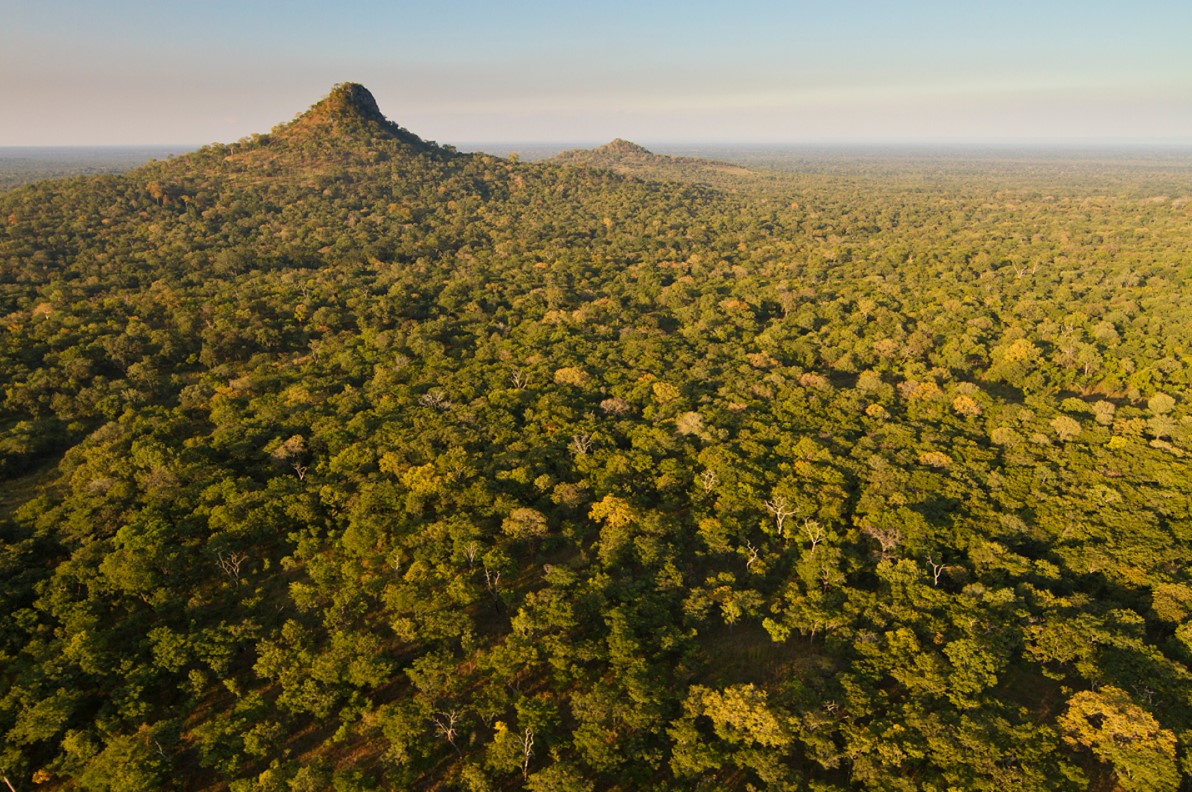
Gabon does not appear on most travellers’ wish lists, and that is precisely the point. Established in 2002 as part of a network of thirteen national parks that together protect more than ten percent of the country’s landmass, Loango National Park spans approximately 1,550 square kilometres of beach, rainforest, savannah, mangrove, and lagoon along Gabon’s Atlantic coast. Naturalists have long described it as Africa’s last true Eden, and the evidence makes a compelling case.
The park’s coastline is uninhabited for over one hundred kilometres. Forest elephants wade through surf and wander along empty beaches, western lowland gorillas and chimpanzees move through the dense canopy, and hippos even venture out into the waves, a behaviour so iconic it has given the park an enduring nickname. Leopards, forest buffalo, sitatunga, red river hogs, rare duikers, and over 395 recorded bird species complete a wildlife picture that is, by any measure, extraordinary.
Unlike the game-drive-centred luxury safaris of East and Southern Africa, Loango is a place where most exploration happens on foot and by water. There are no roads threading through the park’s southern reaches. What exists instead is raw, active wilderness, navigable only by those willing to engage with it directly.
Sette Cama Eco Camp: The camp and its setting
Sette Cama Eco Camp sits in a coastal forest clearing at the southern end of Loango National Park, in the Sette Cama region. The camp accommodates a maximum of eight guests across four Meru-style double or twin-tented rooms, each set on its own private deck and equipped with air-conditioning, en-suite bathroom with double vanity, universal power points, and comfortable beds. The main area provides a communal bar, dining space, and reading nook designed to encourage conversation and quiet observation.
One direction from camp leads to the wild, uninhabited coastline where forest elephants and sitatunga wander the shoreline. The other leads to the banks of the vast Ndogo Lagoon, a nearly 50,000-hectare system of mangroves, open water, and islands that forms the camp’s aquatic playground. Wi-Fi is available in the main area, and the camp runs on a generator for twenty-four-hour power, though this is a place where the call of a wild chimpanzee carries more weight than a signal bar.
The camp is classified as a National Park concession and is the first property launched under the Machaba Wild brand, a portfolio designed around self-powered, deeply immersive wilderness experiences. It operates from September to April for general bookings, with private buy-outs available from June to August. The minimum stay is four nights, with private groups requiring a minimum of five.
Experiences: A week shaped by the wild
At Sette Cama, no two days follow the same pattern. Activities are led by what the environment offers and what the guides read from it. Guests follow tracks, interpret calls, and allow the forest to set the pace. The breadth of what is on offer is remarkable:
- Rainforest walks to track unhabituated western lowland gorillas and chimpanzees, together with red river hogs, rare duikers, and other primates
- Coastal trails where forest elephants, forest buffalo, and hippos are regularly encountered along the shoreline
- Boat explorations of the Ndogo Lagoon by motor and kayak, taking in birdlife, mangroves, and the chance of spotting sitatunga
- Nocturnal boat cruises along waterways where dwarf crocodiles, water chevrotain, and Pel’s fishing owls emerge after dark
- Weekly coastal campouts to Point Milongo, where guests spend a night in the open to witness surfing hippos at dawn, yes, surfing!
- Wildlife monitoring with camera traps, contributing to ongoing scientific research into Sette Cama’s biodiversity
- Turtle monitoring along the shoreline, assisting with nest relocation, and visiting the camp’s seasonal sea turtle nursery
- Dedicated birding sessions across a recorded list of over 300 species, including specials such as the Loango weaver, rosy bee-eater, white-crested tiger heron, and Vermiculated fishing owl
Wildlife and conservation
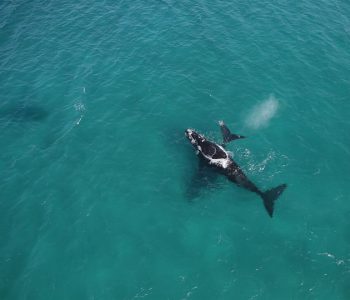
The wildlife credentials of Loango’s southern reaches are exceptional. Gabon holds some of the largest remaining populations of western lowland gorillas and central chimpanzees on the continent. Forest elephants move freely between the tree line and the beach. The lagoon and coastal waters support humpback whales and dolphins offshore, along with dwarf crocodiles and a diversity of waterbirds within the lagoon system itself.
Sette Cama’s coastline is also one of the most significant sea turtle nesting grounds in the world. The country’s coastline also supports the Atlantic’s most important Olive Ridley rookery, alongside green and hawksbill turtle populations.
Conservation is not a backdrop at Sette Cama; it is built into the structure of every stay. Great ape tracking is conducted in collaboration with researchers working to build behavioural data on gorilla and chimpanzee populations, and every guest contributes to wildlife monitoring through camera trap data. During nesting season, turtle patrols run along the beach and vulnerable clutches are relocated to the camp’s nursery to maximise hatchling survival rates. A conservation and community levy is collected per night of stay, with proceeds supporting both wildlife protection and local livelihoods. The camp works directly with Gabon’s Agence Nationale des Parcs Nationaux (ANPN) to strengthen park management and anti-poaching capacity.
Who Sette Cama is ideal for
Sette Cama is designed for travellers who want more from a luxury safari than a seat in a game vehicle. Days are physically active, and explorations are self-powered, on foot or by water. The wilderness is untouched, the encounters are genuine, and the sense of discovery is real. This is a destination for those who want to go somewhere that few others do, and to experience Africa in a way that has not been packaged, choreographed, or repeated.
It appeals particularly to nature enthusiasts, birders, conservation-minded travellers, and adventurous couples or small groups looking for something well beyond the conventional luxury safari circuit. With a maximum capacity of eight guests, the camp lends itself to private buy-outs for families, friends, or small groups seeking a genuinely exclusive wilderness experience. Please note that guests must be twelve years or older.
Getting there
Sette Cama is reached via an international flight to Libreville (LBV), where a one-night stopover is required before the connecting flight to Gamba Airstrip (GAX). The flight from Libreville to Gamba takes approximately seventy-five minutes. Most nationalities require a visa to enter Gabon, and proof of Yellow Fever vaccination is mandatory. The team coordinates all logistics, including visa processing, airport assistance, Libreville hotel bookings, and onward transfers.
From Gamba Airstrip, a fifteen-minute road transfer connects to the lagoon, followed by a one-hour boat journey through the Ndogo Lagoon to reach camp. Scheduled flights operate every Thursday between September and April, and private charter access is available year-round for additional flexibility.
Plan your Sette Cama luxury safari
Sette Cama Eco Camp can be experienced as a standalone wilderness stay or combined with northern Loango National Park as part of a broader Gabon itinerary. Our team at The Luxury Safari Company has the knowledge and connections to build the right programme around your travel dates, interests, and ambitions, from visa coordination to tailored activity scheduling.
Frequently Asked Questions
What makes Sette Cama Eco Camp different from other African safari camps?
Sette Cama sits inside Loango National Park in Gabon, one of Central Africa’s most remote and ecologically intact wilderness areas. Unlike the classic East or Southern African safari, there are no roads and no game drives. Exploration is on foot and by water, led by expert guides interpreting tracks, calls, and wildlife signs in real time. The camp accommodates a maximum of eight guests, making it one of the most exclusive and genuinely wild safari experiences available anywhere on the continent.
What wildlife can I expect to see at Sette Cama?
Loango National Park’s southern reaches support western lowland gorillas, central chimpanzees, forest elephants, forest buffalo, hippos, sitatunga, red river hogs, dwarf crocodiles, leopards, and over 395 recorded bird species. The coastline is one of the world’s most important leatherback sea turtle nesting sites, and humpback whales can be spotted offshore between July and September. Wildlife encounters here are unhabituated and entirely natural.
When is the best time to visit Sette Cama Eco Camp?
The camp is open for general bookings from September to April, with weekly scheduled flights from Libreville to Gamba Airstrip operating throughout this period. This window includes the prime season for forest elephant beach sightings (January to April) and sea turtle nesting activity. The camp is available for private buy-outs from June to August, with access by private charter only. A minimum stay of four nights is required, rising to five for private groups.
Is Sette Cama suitable for children?
The camp accepts guests aged twelve and older. Given the physically active nature of the experience, including multi-hour rainforest walks and boat explorations, it is best suited to older children and teenagers with a genuine interest in wildlife and conservation. Parents travelling with teenagers who are keen naturalists or wildlife enthusiasts will find it a uniquely formative experience.
How do I get to Sette Cama Eco Camp?
Guests fly internationally to Libreville (LBV), where an overnight stay is required before the morning connecting flight to Gamba Airstrip (GAX). From Gamba, a short road transfer and a one-hour boat journey through the Ndogo Lagoon bring you to camp. Most nationalities require a visa in advance, and proof of Yellow Fever vaccination is mandatory for entry to Gabon.
Contact our specialists to begin planning your dream luxury safari.